Natural Sleep Habits: Simple, Eco-Friendly Practices for Better Rest
A guided exploration of gentle, nature-inspired approaches to sleep that honor both body and planet. From breathable fabrics and herbal allies to timeless routines and expert voices across eras, this piece threads together practical steps with a sense of literary curiosity worthy of The New Yorker.
A Quiet Revolution: Sleep Without the Harshness
In a world of synthetic stimuli and disposable comfort, true rest feels subversive and radical. The pursuit here is not a cure-all but a cadence—a everyday discipline of sleep that leans into the slow, natural rhythms of the body and the environment. Think breathable organic cotton sheets that cradle the skin like a whispered secret, wool toppers that wick away moisture while maintaining a luxurious hush, and ritualized evenings that taper the glow of screens into a twilight glow of possibility.
Natural sleep begins with the space itself. A room lit by the soft, forgiving light of dawn or dusk, with temperatures kept steady, and air that circulates without dryness or heaviness. The textiles you choose matter: organic cotton, slow-spun wool, and linens that become softer with every wash. These materials aren’t mere comfort; they are a promise to the planet and to future nights that demand a gentler touch.
Three Timeless Voices on Sleep and Stewardship
Across centuries, thinkers and practitioners have offered fragments of a philosophy: sleep as a foundation of health, a sanctuary of restoration, and a practice rooted in respect for the natural world. Here are three voices from different eras who illuminate the path toward natural, eco-conscious rest.
Hypatia of Alexandria (c. 350–415 CE): The Calm in Inquiry
Hypatia’s era was one of quiet intellectual rigor and an ethic of deliberate attention. Though not a sleep scientist, her method—clarity, patience, and inquiry—offers a spiritual template for sleep hygiene. Hypatia would likely approve a nightly routine built on consistency and reflection: winding down with measured activities, avoiding the jolt of abrupt evening stimuli, and cultivating a mental space that readies the body for calm, restorative rest. In modern terms, this translates to a predictable bedtime window, screen curfews, and a ritual that signals the body to surrender to the night.
Virginia Woolf (1882–1941): The Terrain of the Mind
Woolf’s prose traveled through consciousness with a keen sense for atmosphere and cadence. In her world, the textures of experience—sound, light, the weight of a room—become a map for emotional weather. Applied to sleep, Woolf would remind us that the environment can be a partner in rest: a room that breathes, fabrics that respond to warmth and moisture, and a climate of quiet that allows the mind to drift without agitation. Eco-friendly bedding—soft, breathable, and sustainable—becomes a physical embodiment of her belief that comfort and contemplation should travel together.
James Beard (1903–1985): The Ritual of Calm Cooking, the Ritual of Calm Sleep
Beard taught us to savor process and season with care. When it comes to sleep, his spirit nudges us toward rituals that nourish rather than stress: regular meal times that align with circadian rhythms, light, restorative exercise, and restorative meals anchored by simple, wholesome ingredients. Herbal allies, such as horsetail and other soothing botanicals, can be imagined as a culinary garnish for the night—tiny, deliberate additions that support relaxation without overwhelming the senses.
Practical Steps: Building a Natural Sleep Routine
Layering habit with habitat creates a comprehensive approach to rest. Here are concrete steps you can weave into daily life, each grounded in ecological mindfulness and gentle physiology.
-
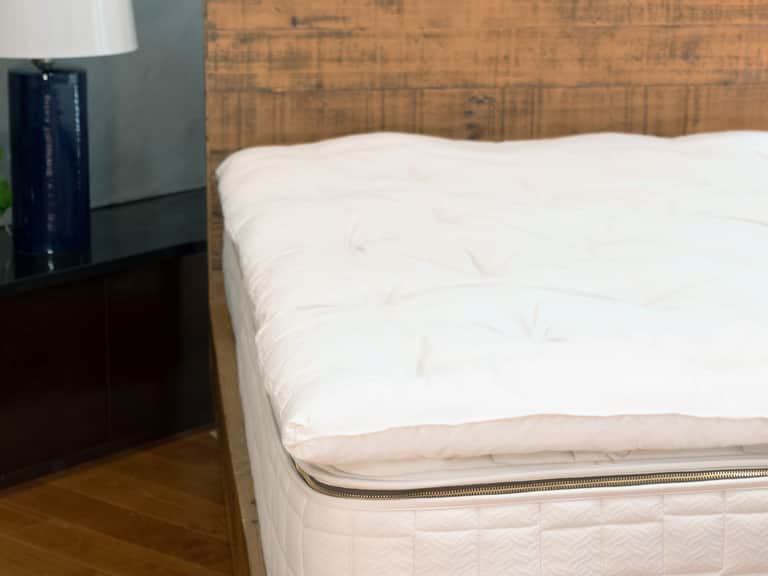
1) Create a breathable sleep environment. Start with bedding that breathes. Organic cotton sheets, a wool topper, and natural latex pillows regulate temperature and wick moisture, reducing night sweats and clamminess. Avoid synthetic covers that trap heat and off-gas chemicals. The goal is a surface that feels quiet to the touch, inviting the body to settle without resistance.
-
2) Lean into a simple, consistent routine. A set bedtime and wake time train the body’s circadian rhythm. Dim lights in the evening, swap bright screens for dim, warm-light environments, and reserve the hour before bed for gentle, non-stimulating activities—reading, light stretching, or mindful breathwork.
-
3) Ground the space with natural textures. Wood, wool, cotton, and linen create a tactile landscape that signals safety and calm. A wool mattress topper, organic cotton sheets, and a cotton or wool duvet feel more than comfort; they create a sensory map that nudges the nervous system toward rest.
-
4) Consider herbal allies with care. Horsetail, a plant with long-standing ties to herbal medicine, is a symbolic partner in this narrative. While it is not a sleep remedy on its own, its presence in a broader herbal approach can symbolize balance and natural healing. Always consult a qualified herbalist or healthcare professional when integrating herbs into your routine, particularly if you are pregnant, nursing, or taking medications.
-
5) Protect sleep with responsible products. Choose bedding and mattress supports from brands that emphasize transparent ingredients and sustainable practices. Consider products like Sleep and Beyond mySheet Set, a 300-thread-count cotton sateen sheet set that is GOTS and OEKO-TEX certified, designed to be non-toxic and durable. Such choices align daily comfort with long-term health for you and the environment.
Herbal Considerations: Horsetail and Gentle Botanicals
Herbs ride a spectrum from culinary to therapeutic, but in the conversation about sleep, they appear as a shared language of soothing, safety, and balance. Horsetail (Equisetum arvense), known for its silica content and tradition in herbal medicine, represents a broader ethos: nature provides building blocks for wellness without the heavy-handedness of synthetic interventions.
In a practical sense, horsetail can symbolize the idea of composure in the night—plants that have stood the test of time offering quiet resilience. If you explore herbal sleep aids, seek options that are well-sourced, properly prepared, and recommended by trusted practitioners. Always prioritize safety, dosage, and possible interactions with medications. A holistic sleep plan appreciates the synergy of sleep hygiene, eco-friendly bedding, and gentle botanicals rather than a single miracle cure.
For readers curious about where to start, consider a tea ritual or a tincture routine guided by a qualified herbalist, and use such practices as complements to the core habits described above. The aim is not to replace sleep hygiene but to enrich it with natural, mindful supports that respect both body and ecosystem.
Product Spotlight: Sleep and Beyond MySheet Set
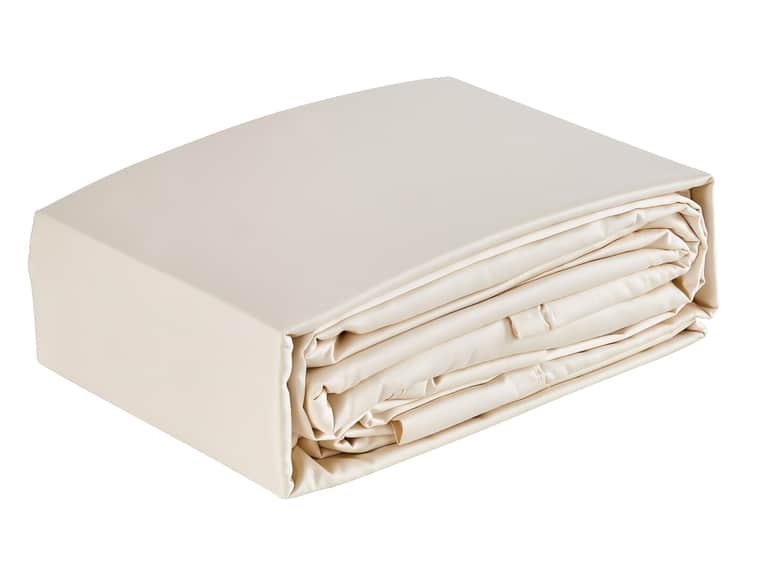
In the spirit of practical, elegant sustainability, the Sleep and Beyond mySheet Set offers a tactile entry point into the natural sleep conversation. The set includes a flat sheet, fitted sheet, and two pillowcases, crafted from soft 300-thread-count cotton sateen. The fabric is OEKO-TEX and GOTS certified, ensuring no harmful dyes or pesticides—an invitation to sleep with conscience as well as comfort. The fitted sheet, with its deep pockets, keeps a snug fit for mattresses up to 18 inches deep, while the packaging is designed to be reusable or biodegradable.
The mySheet Set embodies a gentle aesthetic: calm, neutral, and never loud. It is a reminder that the quiet integrity of good sleep rests on small, consistent choices—materials that breathe, seam work that lasts, and a product lifecycle that respects the environment. For readers who want a tangible starting point on the eco-friendly bedding journey, this sheet set offers both immediate comfort and a longer-term commitment to sustainability.
-
Price: 115.00
-
Brand: Sleep and Beyond
-
Key features: 300-thread-count cotton sateen, GOTS and OEKO-TEX certifications, deep pockets, non-toxic, machine washable, biodegradable packaging.
-
Why it fits the narrative: It blends everyday luxury with ecological responsibility, a tangible bridge between taste and ethics.
Product highlights
- Long-lasting fabrics that soften with use
- Minimal chemical footprint in production
- Inclusive sizing and simple care instructions
Guides and Rituals: Crafting Your Eco-Friendly Sleep Kit
To make the approach concrete, here is a compact guide to assembling an eco-friendly sleep ensemble that supports restful nights without sacrificing comfort or aesthetics.
Bedding Essentials
Choose organic materials for the primary layers of your sleep surface. Organic cotton sheets and pillowcases, paired with a wool topper or natural latex pillow, create a climate-regulating stack that responds to your body's needs. A protector crafted from organic materials shields the surface from spills and allergens, preserving the longevity of your investment.
Mattress Considerations
When evaluating mattresses, look for certifications that reflect safety and sustainability—organic cotton, natural latex, wool fills, and low- or no-foam compositions. If possible, explore brands that prioritize transparent ingredient lists and ethical manufacturing, ensuring that your sleep surface aligns with your values.
Herbal and Natural Aids
Integrate herbs with care, using them as a subtle complement to the core routine rather than a sole solution. Horsetail, as a symbol of resilience and natural balance, can guide your mindset toward a gentler night, while consulting with healthcare professionals ensures safety and compatibility with any medications or conditions.
Aesthetic and Editorial Note: The New Yorker’s Lens
The language of restful living, much like a well-composed sentence, requires balance: restraint, texture, and a sense of narrative. In this piece, the editorial voice seeks to blend practical guidance with cultural resonance, inviting readers to reflect on how small, sustainable choices in bedding and routine can compound into meaningful improvements in sleep quality. The aim is not melodrama, but a quiet reverie—an invitation to slow down, to choose materials that tell a true story of care, and to cultivate habits that cradle the night as a sanctuary rather than a struggle.
Closing Thoughts: Rest as a Public Virtue
Rest is not merely a personal luxury; it is a public good. When we invest in sleep that is ethical, sustainable, and thoughtful, we contribute to a culture that values long-term health, environmental stewardship, and humane production. The natural sleep habits outlined here—breathable textiles, mindful routines, herbal considerations, and a reverence for time—offer a blueprint for living well without excess. It is a small, quiet revolution, but one with an enduring, planet-friendly footprint.