Breathing Easy: Natural Sleep Aids and Sleep Hygiene for Restful Nights
Explore simple, natural ways to improve sleep quality through everyday habits and remedies. This piece highlights practical sleep hygiene tips and gentle, plant-based aids that support a calmer, healthier night.
A Quiet Evening: The Architecture of Sleep Hygiene
The hour before the world tilts into rest is not just a ritual but a composition. It is the moment when light, sound, and temperature negotiate a truce with our biology, signaling the body that the daily fray has concluded. Sleep hygiene is, in essence, a choreography of small decisions—dim the lights, dim the noise, soften the air—that, when practiced with consistency, expands into a larger integrity of rest.
To begin, imagine the room as a sanctuary rather than a scene of performance. Linen, cotton, and wool—organic fibers that breathe—let the space itself seem to exhale. The bedding becomes a vehicle for a calmer nervous system. In this regard, a holistic approach to sleep blends practical routines with a cadence of self-care, a rhythm that invites the mind to unclasp its worries and the body to settle without force.
The foundational step is consistency: a fixed bedtime and wake time. The body loves repetition, and with a steady schedule, the brain learns to anticipate sleep, gently releasing wakefulness at the appointed hour. Yet routine alone is not enough. The environment must align with the sun’s arc and the moon’s hush—natural materials that do not off-gas or irritate sensitive airways. Breath becomes the bridge between body and room, and a careful selection of natural aids can smooth the path toward deeper, more restorative sleep.
Natural Aids: Herbs, Scents, and Safe Alternatives
In the domain of natural sleep, the horsetail plant—long associated with holistic wellness—appears as a symbolic companion rather than a miracle cure. Horsetail embodies resilience, a plant that has endured for eons. While its direct sleep-inducing effects are nuanced and individual, horsetail serves as a reminder that nature offers subtle, steady support: hydration, mineral balance, and a sense of groundedness. More broadly, herbal teas and aromatics have shaped human routines around sleep for centuries, offering warmth and ritual rather than quick fixes.
Consider simple, plant-based rituals:
- Herbal teas with chamomile, lavender, or valerian can ease the mind after a demanding day, provided you’re mindful of tolerance and any interactions with medications.
- Soothing aromatics like a few drops of essential oil on a handkerchief or a gently scented diffuser can create a lullaby of scent without overwhelming the senses.
- Soft, breathable bedding in natural fibers supports temperature regulation and reduces irritation, enabling the body to transition toward sleep with less friction.
However, safety and individual response matter. Herbs can interact with medications, and not everyone experiences the same effects. Gentle experimentation, with attention to one change at a time, is wise. The aim is a calm, predictable descent into night, not a dramatic shift that leaves one unsettled at dawn.
Practical Starters: Quick-Start Tips
Here are concise, actionable steps to begin your natural sleep journey:
- Set a consistent bedtime and a wake time that respects your daily rhythm.
- Craft a sleep-conducive environment: breathable, organic bedding; a cool, dark room; and quiet minimalism.
- Create a non-stimulating pre-sleep routine: gentle stretching, light reading, light dimming, and mindful breathing.
- Incorporate a light, herbal or non-caffeinated beverage 30–60 minutes before bed to ease the mind—document how your body responds to it over a few weeks.
- Limit screen exposure after dusk; if possible, replace blue-light devices with low-glare displays or paper books.
Environment as Ally: Eco-Friendly Bedding and Textiles
The bed is not merely a place to sleep; it is a daily commitment to comfort and health. Eco-friendly bedding—organic cotton, natural latex, and wool toppers—helps regulate temperature, wick away moisture, and reduce exposure to synthetic chemicals. In the language of the room, these materials become quiet partners in rest, offering a tactile reminder that sleep is nurtured by gentle, non-toxic surfaces.
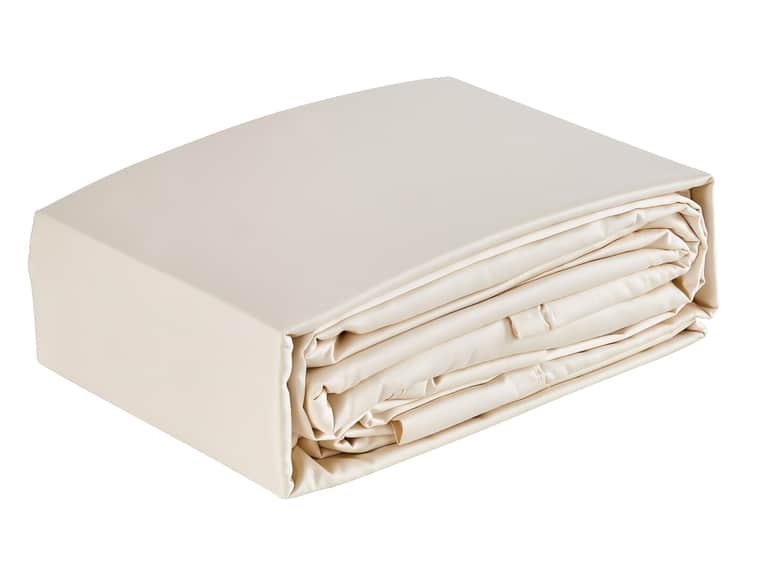
The Sleep and Beyond mySheet Set stands as a familiar example of how high-quality fibers—soft to the touch, durable, and machine washable—can be both practical and luxurious. The 300-thread-count cotton sateen fabric offers a balance of softness and breathability, while durability ensures it survives repeated washes. This is not mere luxury; it is a strategy for maintaining a clean sleep space that remains inviting night after night.
For those seeking an additional layer of comfort with uncompromising natural ethics, wool toppers and latex pillows weave a cooler, drier balance into the night. A Wooly topper with organic wool padding provides warmth in winter and breathability in summer, while latex pillows, particularly those made from GOLS-certified latex, offer responsive support without synthetic fillers.
It is helpful to consider a layered approach: sheets over a good mattress, then a topper for contour and support, and finally breathable pillow models that suit your sleep posture. In combination, these layers create a climate and contour that nudges the body toward harmony, rather than fighting gravity with rigid firmness or synthetic surfaces.
A Minute with the Names of Sleep: Three Key Figures from Different Time Periods
The history of sleep lore is a constellation of voices across eras, each adding a thread to the tapestry of how we rest. Three figures, spanning antiquity to the modern era, illuminate how culture, science, and daily practice shape our habits around night.
- Hippocrates (c. 460–370 BCE): The father of medicine understood sleep as part of a broader balance of health. His approach to humors and daily rhythms hinted at a comprehensive view: the body’s alignment with day-to-day patterns affects mood, healing, and rest. In a modern echo, we might translate his wisdom into consistent bedtime routines and careful attention to environmental factors—the kind of simple, repeatable habits that transform sleep without heavy pharmacology.
- Lucretius (99–55 BCE): The Roman poet and philosopher who explored nature's order invites us to consider how our lives tunnel through a world of atoms and chance. His lens, while distant from contemporary sleep science, encourages patience with the slow, steady process of improving sleep. Small adjustments in environment and habit—lowering noise, soft textiles, and moderated light—become acts of aligning with the cosmos rather than waging war against it.
- Virginia Woolf (1882–1941): The modernist writer who turned attention to the interior life offers a meditation on the psyche's need for quiet, private space. Her insistence on the act of writing and the discipline of daily life resonates with present-day sleep hygiene: rituals anchored in rhythm and ritual, the gentle discipline of unwinding the day, and building a sanctuary where the mind can rest without judgment.
Each figure, in their own register, reminds us that sleep is not solely a biological function but a cultural act—one that benefits from mindful ritual, appropriate materials, and a respectful respect for the body's natural patterns.
Product Spotlight: Sleep and Beyond MySheet Set in Context

Sleep and Beyond mySheet Set
Deep-pocket sheets crafted from soft 300-thread-count cotton sateen. Certified organic and free from harmful dyes or pesticides, these sheets embody a straightforward, natural luxury. The set includes a flat sheet, fitted sheet with deep pockets to fit up to an 18" mattress, and two pillowcases. Its packaging is reusable and biodegradable, underscoring an ethos of sustainability without compromising comfort.
Price: $115.00
Brand: Sleep and Beyond
The mySheet Set stands as a practical core example of how eco-friendly textiles translate into daily comfort. The sheets are not just a backdrop for sleep; they shape temperature regulation, fabric feel, and long-term bedding hygiene. In a culture that increasingly prizes sustainability, choosing cotton sateen free from toxins is a quiet assertion of care—for the sleeper, for workers who harvest and process the fibers, and for the planet.
A Layered Night: Integrating a Topper or Pillow for Deep Comfort
A topper can be the difference between a good night and a restorative one. Naturepedic’s Wooly mattress topper—crafted from thick layers of organic wool—offers temperature regulation and moisture-wicking properties. It is a reminder that warmth and breathability need not be at odds; wool’s natural fibers can wick moisture while maintaining softness and a plush feel. The topper does not rely on polyurethane foams or chemical flame retardants, aligning with a philosophy of natural materials that stand up to seasons and regular use.
Similarly, latex pillows—especially those made with GOLS-certified organic latex—offer responsive support that adapts to sleeper position. The Shredded Latex variants provide a more malleable fill that can be customized to loft, while molded contour pillows offer targeted neck support for side sleepers. Each option emphasizes air flow, resilience, and a fabric cover that remains gentle against the skin.
A Final Note: Safety, Individuality, and Gentle Experimentation
The promise of natural sleep aids is not a doctrine but an invitation to a kinder relationship with rest. Individual responses vary, and safety remains paramount. Start with one change at a time—whether it is a better pillow, an organic mattress protector, or a soothing pre-sleep routine—and observe how your body responds over a few weeks. The goal is not to chase a universal cure but to cultivate a personal environment in which sleep can arrive naturally, with less friction.
In the end, the bed becomes a shared space where science, craft, and daily practice converge—a space in which the simplest choices, repeated, yield a night of true, unhurried rest.
Conclusion: Sleep as a Natural, Daily Practice
The domain Horsetail Mattress, with its evocative sense of natural care and wellness, speaks to a broader truth: that rest is best when approached with care, knowledge, and reverence for materials and routines. From the breathing rhythm of a well-ventilated room to the soft touch of organic cotton sheets and the quiet support of latex and wool, natural sleep is a practice that grows stronger with consistent, gentle attention.
As you craft your own nightly ritual, remember that the most enduring comforts come from the balance of simple, well-made things: breathable fabrics, a calm environment, and a mindful routine. When habit becomes habit-forming for the right reasons, the night becomes an ally rather than an adversary, and the day that follows—bright, steady, and unhurried—reflects the quiet efficacy of your own care.