Comparing Natural Mattress Materials: Horsehair, Wool, and Latex in Modern Sleep Surfaces
An educational exploration of natural fibers that shape the comfort, durability, and climate regulation of contemporary mattresses. From horsehair to wool and natural latex, discover how these materials perform in real-world sleep scenarios and what to look for when evaluating them.
In recent years, sleep researchers, designers, and conscious consumers have rekindled interest in natural mattress materials. The old world of horsehair and wool upholstery meets the new world of open-cell foams and certified organic fabrics, creating sleep surfaces that balance tradition with modern performance. This guide dives into three standout natural fibers—horsehair, wool, and latex—and examines their properties, care implications, and role in achieving temperature regulation, support, and longevity on today’s beds. We’ll also weave in historical context, brand perspectives, and practical buying guidance to help you choose a surface aligned with your climate, sensitivities, and sleep goals.
Horsehair: Time-Tested Resilience
Horsehair has a storied place in sleep and upholstery, valued for its combination of springiness, breathability, and natural resilience. Traditional horsehair fillings are hollow and/or highly elastic fibers that trap air and return to shape after compression. Modern iterations often blend horsehair with cotton or wool to achieve a balanced surface feel that remains responsive without becoming too soft. The engagement of horsehair in a mattress’s upholstery layer can contribute to a stable sleep surface that minimizes motion transfer while preserving a breathable core for temperature regulation.
Key properties at a glance:
- Elastic resilience: Supports body contours without collapsing under sustained pressure.
- Breathability: Hollow fibers promote airflow and help manage moisture overnight.
- Longevity: When well-crafted, horsehair can maintain loft over many years, contributing to a robust edge and overall durability.
Historical note: Horsehair has long been used in high-end upholstery and heritage mattress constructions. While some modern products minimize animal-derived materials, there remains a niche of brands and craftsmen who celebrate traditional techniques and natural fillings as a mark of quality and sustainability. For readers curious about the craft heritage, horsehair links closely to artisanal bedding practices and heritage upholstery traditions.
Wool: Temperature Regulation with Natural Moisture Management
Wool is renowned for its unique trifecta of warmth, breathability, and moisture management. Its natural crimp and loft trap air, creating a buffer that helps keep sleepers comfortable across a broad range of climates. Wool fibers can absorb up to 30% of their weight in moisture without feeling damp, then release it as humidity levels change, which helps maintain a more stable sleeping environment. In mattresses, wool is often used in pads, toppers, or internal fills, sometimes blended with cotton or other fibers to optimize feel and care requirements.
Considerations when choosing wool-based components:
- Care: Wool fillings and covers may be machine washable in some cases, but many products favor spot cleaning and air drying to preserve loft and fiber integrity.
- Certifications: Look for GOTS-certified organic wool or other reputable certifications that ensure ethical sourcing and low chemical exposure.
- Allergy and sensitivity suitability: Wool’s natural properties can benefit sleepers seeking hypoallergenic, breathable surfaces, but individual sensitivities vary.
Historical note: Wool has served as a durable, climate-adaptive insulator in bedding for centuries. In contemporary sleep systems, wool often appears in blended forms, offering a bridge between natural comfort and modern manufacturing demands. This makes wool a dependable choice for those who prize sustainable textiles without compromising surface performance.
Natural Latex: Contour, Support, and Lifespan
Latex—the natural kind sourced from rubber trees or their blends—delivers consistent support with a responsive feel. In its Dunlop or Talalay forms, latex creates a resilient core that maintains loft and resists sagging. Natural latex is celebrated for durability, hypoallergenic properties, and cooperative moisture management when paired with breathable covers. In mattresses, latex layers can provide targeted zoning and pressure relief, working in concert with other natural or synthetic components to shape a balanced sleep experience.
Practical notes:
- Breathability: Open-cell structures and woven covers support airflow, reducing heat buildup in the night.
- Durability: Latex tends to outlast many foam alternatives, holding shape through years of use.
- Care: Latex layers themselves are typically low-maintenance, but surrounding fabrics and covers influence overall upkeep requirements.
Hybrid Perspectives: How Brands Combine Natural Fibers with Modern Materials
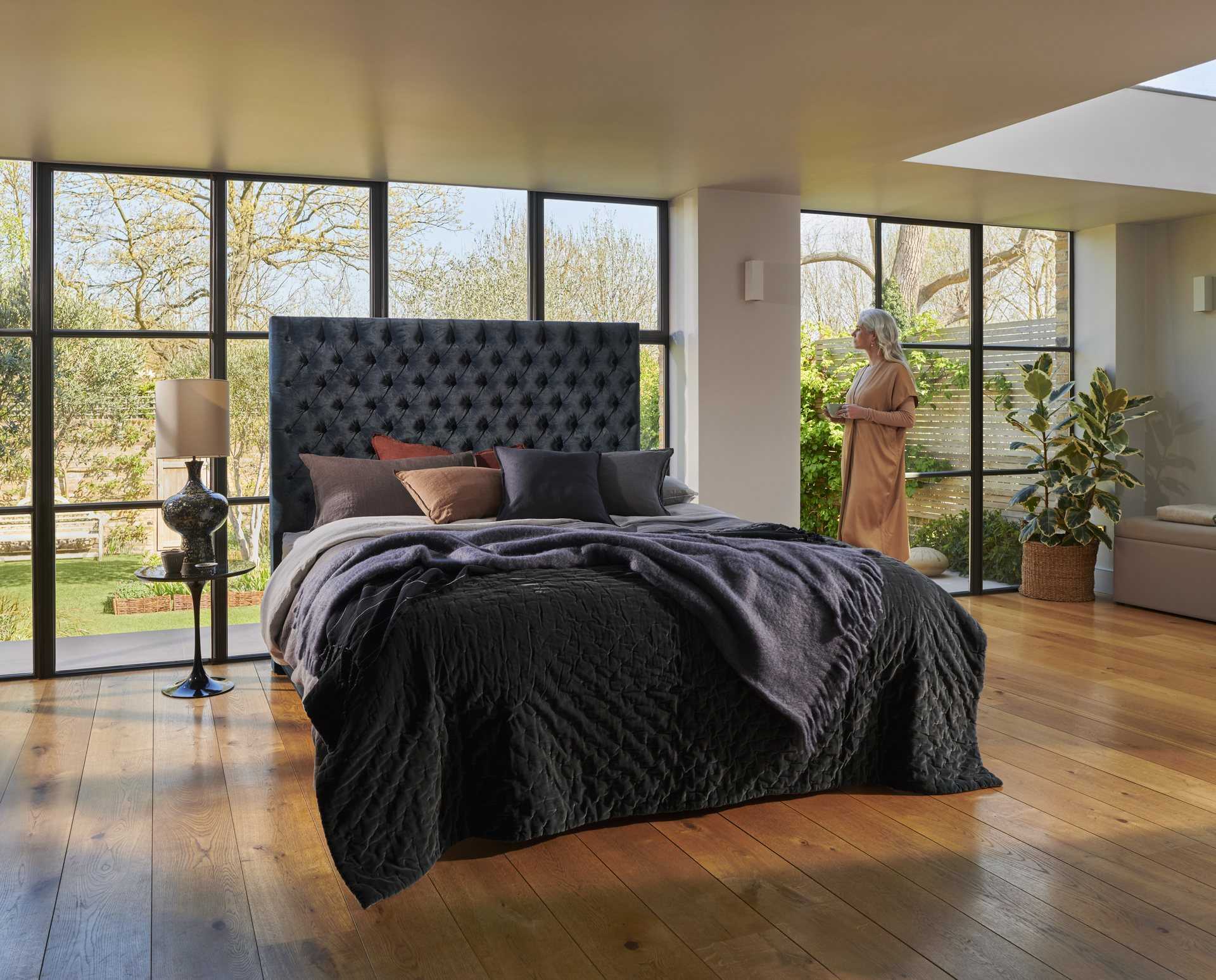
In contemporary sleep design, brands blend the best of natural fibers with modern technologies to meet consumer expectations for pressure relief, cooling, and durability. A notable example is Vispring Tiara Superb, which foregrounds horsetail fillings in its upholstery sequence, paired with a wool/organic cotton ticking and a multi-layer spring system. This model demonstrates how a premium, traditional approach to natural materials can coexist with a modern, performance-driven structure. The combination yields a sleep surface that communicates luxury, craftsmanship, and a tactile sense of natural warmth and resilience.
Figurehead example (industry context): Vispring Tiara Superb embodies a philosophy that elevates natural fibers into high-end upholsteries with careful layering and hand craftsmanship. The bedding world continues to see a spectrum—from fully natural, hand-tied constructions to blends that optimize cooling and durability—each chosen to suit different sleep preferences and climate conditions.
Case study snapshot: The Vispring Tiara Superb illustrates how a premium product can fuse horsetail with wool and cotton in its upholstery, while maintaining a responsive spring system. For readers seeking a true luxury benchmark, this model crystallizes the potential of natural materials when combined with meticulous engineering and artisanal attention to detail.
A Practical Buyer’s Guide: Evaluating Material Properties, Certifications, and Care
Selecting a natural mattress surface is less about a single fiber and more about how fibers interact with construction, climate, and personal needs. Here are actionable steps to evaluate materials and make informed choices:
- Understand material properties: Assess whether you prioritize resilience (horsehair, latex), temperature regulation (wool, horsehair), or a balance of contour and support (latex with wool or cotton blends).
- Check certifications and sourcing: Look for organic or GOTS certifications for wool and cotton, and verify horsehair provenance if relevant to your ethics and sustainability goals.
- Assess care requirements: Some natural fills and toppers are machine washable, but many require spot cleaning or dry cleaning to preserve loft and integrity. Consider your willingness to maintain the surface.
- Consider a hybrid approach: If you want natural materials plus modern performance, a product like Vispring Tiara Superb demonstrates how traditional fillings can be integrated with advanced spring systems for a premium experience.
- Evaluate climate compatibility: In warm climates, breathable natural fillings can promote dryness and comfort; in cooler environments, loft and insulation can help retain warmth without overheating.
Historical Threads and Modern Threads: A Short Timeline
From ancient bedding practices to contemporary eco-conscious manufacturing, the thread that ties natural materials across time is a commitment to comfort, durability, and a more natural sleep environment. Notable milestones include:
- Ancient upholstery traditions that leveraged natural fibers for resilience and breathability.
- Early horsehair mattresses that used animal fibers for loft and support, evolving into high-end, hand-stitched constructions.
- 20th-century innovations blending natural fibers with synthetic textiles for durability and care efficiency.
- 21st-century emphasis on sustainability, certifications, and transparent supply chains in natural bedding materials.
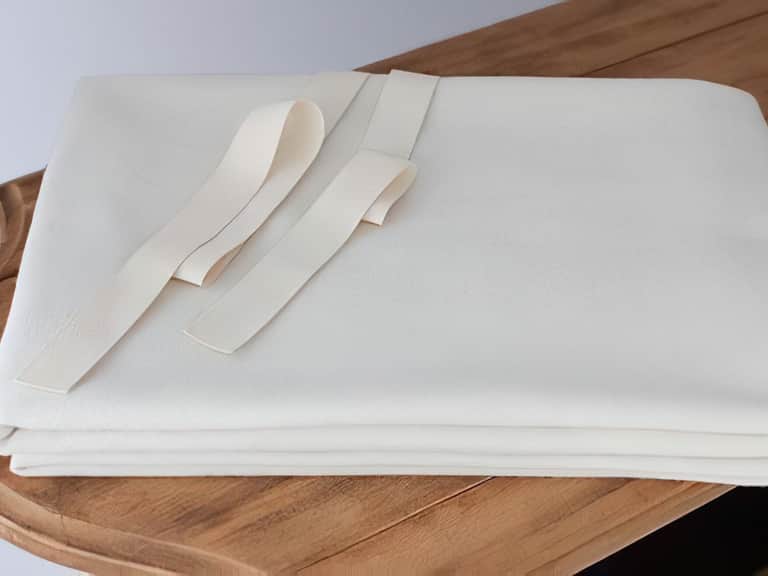
Today, brands like Savvy Rest and Savvy Rest Wool Mattress Pad highlight how natural wool can function as a robust core for temperature regulation and moisture management, while contemporary foam-based contenders emphasize airflow and pressure relief through innovative foams like open-cell latex blends.
Three Contemporary Voices Across Time
- Charlemagne-era to Enlightenment craftsman (circa 1700s): A hypothetical archetype representing the long lineage of artisans who perfected hand-tied upholstery and natural fiber layering, laying groundwork for modern high-end mattresses that honor craftsmanship and material integrity.
- Victorian-era luxury bed maker (circa 1850s–1900s): An imagined designer symbolizing the tradition of premium upholstery with horsehair fillings and wool-topped ticking, illustrating the lineage from artisanal to luxury consumer products.
- Contemporary sleep scientist and brand founder (circa 2010s–present): A modern voice bridging sleep science with material innovation, emphasizing certifications, transparency, and sustainability as central to product credibility.
In this narrative, the three voices embody a continuum: timeless craft, premium upholstery heritage, and evidence-based material science. While the figures are illustrative, they anchor the article in a sense of historical depth and ongoing relevance of natural materials in sleep surfaces.
Brand Spotlight: Vispring Tiara Superb
The Tiara Superb showcases how horsetail fillings can be treated as a centerpiece of the upholstery layer, combined with a wool and organic cotton blend ticking. Its multi-layer construction uses hand-teased South American horsetail, Real Shetland Wool, and a two-layer hand-nested pocket spring system. The result is a luxurious surface that emphasizes natural materials, craftsmanship, and long-term resilience. This example serves as a reference point for readers exploring how premium natural fillings are implemented in modern sleep surfaces.
Conclusion: The Natural Materials Path Forward
Natural mattress materials—horsehair, wool, and latex—offer distinct benefits for temperature regulation, support, and longevity. They invite a slower, more craft-forward narrative in bedding while aligning with a modern emphasis on sustainability and health-conscious living. Whether you favor the luxurious, heirloom feel of horsehair, the climate-adaptive loft of wool, or the resilient contour of natural latex, the key is to understand how each material performs within the overall mattress construction and care regime. In a market increasingly drawn to transparent, eco-friendly materials, the right surface can become a trusted ally for better sleep.
Further Reading and References
- Brand catalogs and product pages from Vispring and Savvy Rest, illustrating natural fiber implementations in luxury and mid-range categories.
- Sleep science literature on temperature regulation and moisture management in bedding materials.
- Historical overviews of horsehair and wool in furniture and bedding.
- Certification bodies and standards for natural fibers used in mattresses and textiles.